Are Cruises Worth It? The Real Pros and Cons
Quick Take
Cruising is worth it for a specific kind of traveler and a potentially a waste of money for another. If you want to unpack once, wake up somewhere new, and pay a mostly-known price up front, a cruise delivers that better than almost any other vacation. If you crave slow days in one city, long dinners on your own schedule, and total freedom over where you go, you will feel boxed in.
I have sailed more than 50 times as a passenger and I book cruises for clients as a travel advisor, so I have watched people love and hate the same ship in the same week. This post lays out the real trade-offs so you can decide before you spend a dime.
What You Actually Pay For
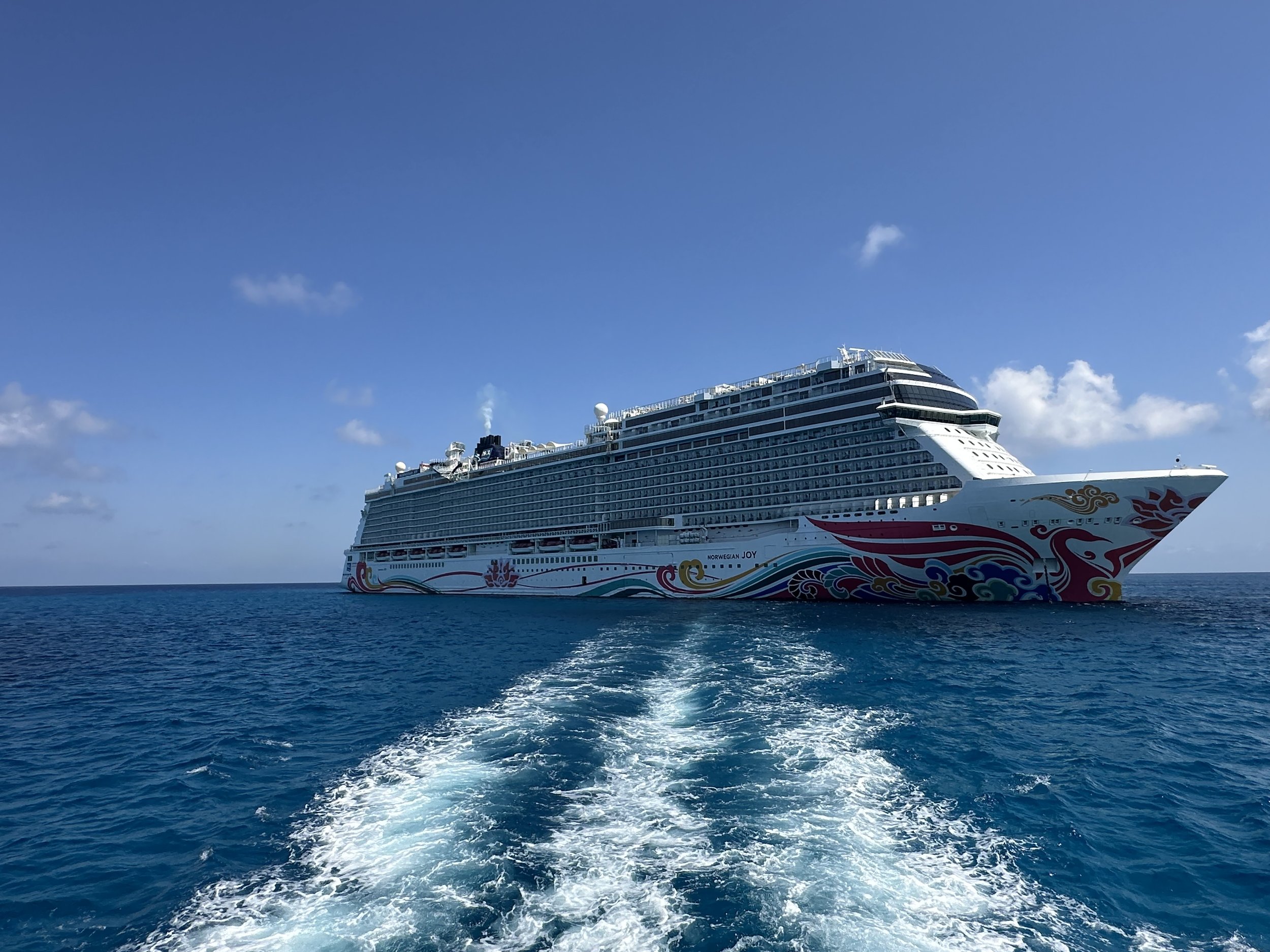
The sticker price on a cruise covers your cabin, most of your food (unless you’re sailing Four Seasons Yachts), the entertainment, and transportation between ports. You board once, and the ship carries you to three or four destinations while you sleep (on longer sailings), and you never have to repack a bag or catch a connecting flight between cities.
For many, this is a real bargain.
Compare that to a land trip through the Caribbean or the Mediterranean. Hitting four cities by land means four hotels, four check-ins, and a pile of transfers. A cruise folds all of that into one fare, and for many travelers, the math and the convenience both come out ahead.
The catch is that the advertised fare is rarely the final number. Gratuities, drinks, specialty dining, shore excursions, and Wi-Fi stack on top, and they add up fast for a family of four.
The Real Pros of Cruising
The biggest advantage is predictability. You can budget most of your trip before you leave home, which is a relief for people who hate watching a vacation drain their bank account meal by meal. Book an interior cabin, prepay gratuities, skip the drink package, and your on-board spending can stay close to zero. Some cruise lines even include things like wi-fi (Virgin) or sodas (Disney Cruise Line).
Variety is the second pro. A single sailing can drop you in San Juan one morning and a private destination the next, and you sample each place without committing a week to it. For travelers who are not sure which destination they love, that tasting-menu approach is useful for planning future trips.
Then there is the ease. Your bed follows you from port to port, the kids (and adults) are entertained by staff who are good at their jobs, and someone else handles the cooking, the driving, and the logistics.
Parents and multigenerational groups tend to feel this benefit the most, because a cruise gives everyone something to do without forcing the group to agree on one plan. For my family, we all typically meet back up for dinner and share stories of our day.
Value rounds out the list. When you price a comparable land vacation with meals, hotels, and shows included, a modestly-priced cruise often wins, especially outside peak weeks.
The Real Cons of Cruising
Time in port is short and rarely yours to control. Some stops run from mid-morning to late afternoon (or just an afternoon in some cases), which means you see the highlights and leave before dinner. If your dream is a slow evening in a Greek harbor town, the ship will pull you back to the gangway right as the good light arrives.
I always advise my clients on checking the itinerary, and the times involved, very carefully!
The upsells can wear people down, too. Once you are on board, the drink packages, the photo prints, the spa, and the specialty restaurants are all on sale, and a fare that looked cheap can quietly double if you opt for every option.
I always tell clients to decide their add-ons before boarding so the pitches lose their grip. It’s also a great way to save– Royal Caribbean is one that puts most things on sale in their app and on their website before you board.
Crowds are part of the deal on the big ships. Boarding, buffets, elevators, and popular shows all create lines, and the largest vessels carry more than five thousand passengers. Sea days can feel like a floating theme park, which some people adore, and others find exhausting.
Seasickness and weather are real risks too. Modern stabilizers keep most sailings smooth, but rough water happens, and a port can be cancelled with no refund when conditions turn. You are trading some control for convenience, and occasionally the ocean reminds you of that.
I advise clients to avoid smaller ships and certain cabin locations on board to lessen the chance of seasickness.
Who Should Cruise, and Who Should Not
Cruising suits families, first-time international travelers, and anyone who wants a low-effort vacation with a fixed budget. It also fits people who like structure, built-in entertainment, and the comfort of returning to the same room every night.
It works less well for independent travelers who want deep, unhurried time in one place. If you would rather spend five days learning one city than five hours sampling five of them, a cruise will frustrate you. Travelers on tight schedules who hate crowds, or who get seasick easily, should think twice as well.
Planning this trip? I'm a travel advisor and can book it for you at no extra cost — often with added perks like resort credits, free breakfast, and confirmed upgrades.
Get a free quoteHow to Make a Cruise Worth It
The travelers who feel ripped off usually booked without a plan, and the ones who rave about it did the opposite. Pick a sailing whose ports you actually want to see, rather than chasing the lowest fare to an itinerary you do not care about. The destination still matters, even at sea.
Set your add-on budget before you board and stick to it. Decide whether the drink package pays off for how you drink, book one or two shore excursions that excite you, and let the rest of the trip breathe. A little planning is the difference between a great value and a pile of surprise charges.
Match the ship to your group. A giant Royal Caribbean vessel is a dream for kids and a headache for a couple seeking quiet, while a smaller ship trades the water slides for calmer decks. The right pairing is where most of the satisfaction comes from.
How to Make a Cruise Worth It
A lot of the value comes down to how you plan. Pick the right ship for your travel party, and half the battle is won: a big-ship waterpark for the kids, a smaller adults-only feel for a couple, a port-heavy itinerary if the destinations matter most. The ship is the vacation on a cruise, so the fit matters more than the fare.
Set your budget with the extras in mind, then decide which ones you actually care about. If you love a cocktail by the pool, price the drink package. If you would rather bank the money for excursions, skip it and pay as you go. Booking the sailing early, watching for price drops, and using a travel advisor to catch offers all stretch the same dollars further.
On board, the people who get the most out of a cruise show up with a loose plan, not a rigid one. Reserve the shows and specialty dinners you want, then leave room to wander. That mix of a little structure and a lot of freedom is where the value lands.
Who a Cruise Is Not Right For
I would rather steer someone away from a cruise than watch them regret the money, so let me name the people who tend to come home let down. If you want long, unhurried days in a single city, a cruise is not for you. The ship pulls out by late afternoon in most ports, and you never get the quiet evening walk or the second dinner at the spot you loved at lunch.
Independent travelers who like to change plans on a whim also chafe against the schedule. All-aboard times are firm, the ship will leave without you, and a chunk of each day gets eaten by tendering, lines, and getting into town. If that structure sounds like a leash rather than a convenience, a land trip will make you happier.
A cruise is also a hard sell for anyone who gets seasick easily or dislikes crowds. Big ships carry thousands of people, and the buffet, the elevators, and the popular shows all come with a wait. If your ideal vacation is calm and low-density, the largest ships run the opposite direction, though a smaller vessel softens that some.
How to Get the Most Value From Your Fare
The fare is only the starting number, and the travelers who feel they got a deal are the ones who managed the extras on purpose. Prepay gratuities, decide on the drink package based on how you actually drink, and price a couple of shore excursions before you board. Those three line items move your final cost more than the cabin choice does for most people.
Watch the calendar too. Shoulder-season sailings in late spring and early fall usually run cheaper than peak summer or holiday weeks, and the same cabin can swing by hundreds of dollars depending on the date. If your schedule bends at all, a shift of a week or two is one of the easiest ways to spend less for the same trip.
Book early enough to catch price drops before final payment, then keep an eye on the fare or let an advisor watch it for you. Many lines will honor a lower price as onboard credit if someone asks, which turns a fare drop into money you can spend on the ship. Little moves like these are the difference between a cruise that felt worth it and one that felt like a slow leak.
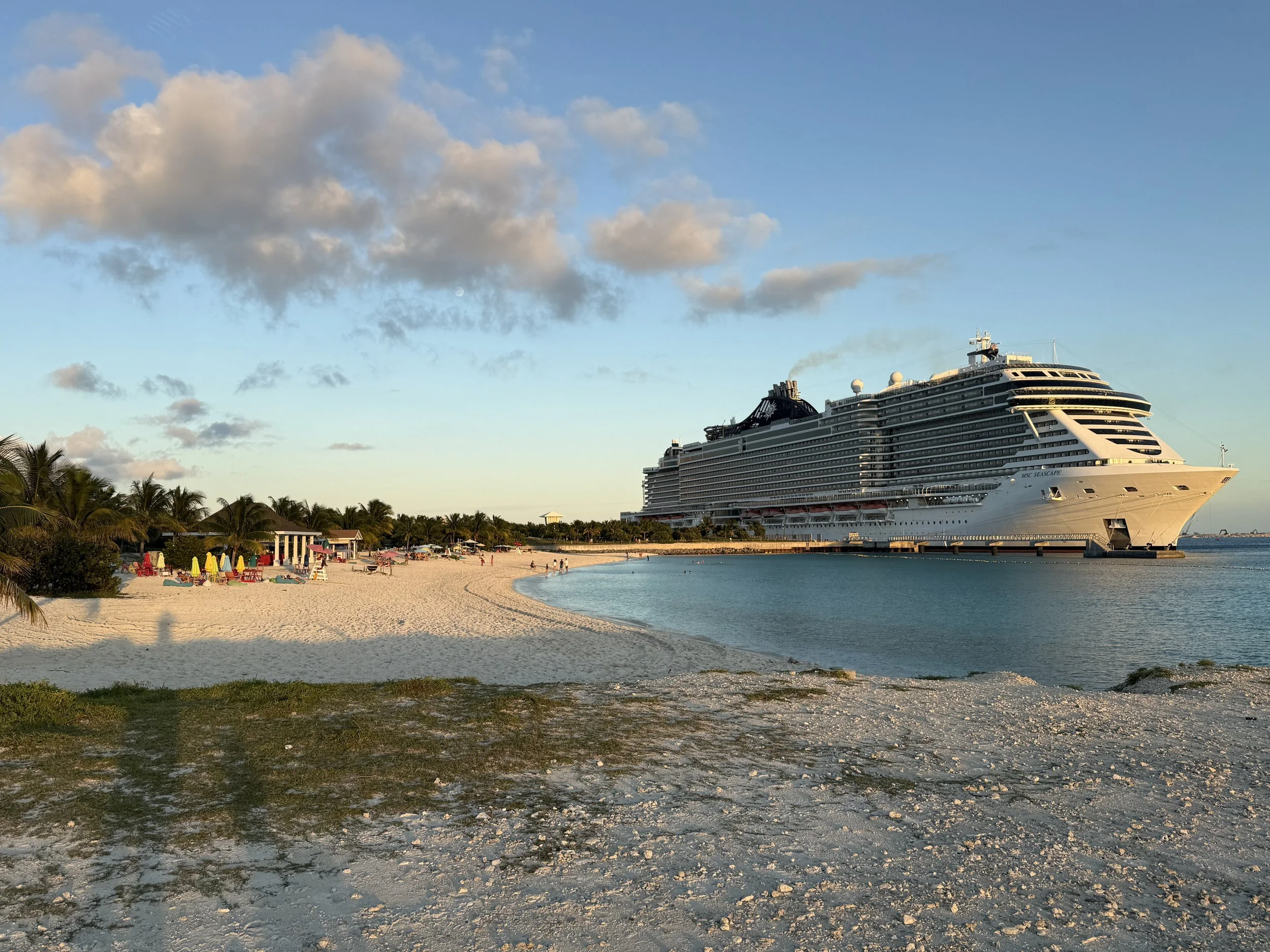
MSC on their private island, Ocean Cay
Frequently Asked Questions
Are cruises cheaper than a regular vacation?
Often, once you count included meals, entertainment, and travel between destinations, a modestly-priced cruise beats a comparable land trip. The final number depends on how many add-ons you buy, so a bare-bones sailing and a splurge sailing can cost wildly different amounts.
What is the biggest hidden cost?
Gratuities and drink packages catch the most people off guard. Automatic gratuities run per person per day, and a drink package can add well over five hundred dollars for a couple on a week-long sailing.
Do I need travel insurance for a cruise?
I recommend it. Cruises involve flights, prepaid excursions, and the risk of missing the ship, and a good policy covers medical care and trip interruption that standard health plans do not.
Will I get bored on a sea day?
That depends on your temperament. Big ships pack in shows, pools, and activities, while smaller ships lean on quieter pleasures like reading and ocean views, so pick the vessel that matches your idea of a good day.
Is a first cruise a good way to test the idea?
Yes. A shorter three or four-night sailing lets you learn whether cruising suits you before you commit to a longer, pricier trip, and it is my usual suggestion for the curious but unsure.
Are cruises safe?
Modern ships are heavily regulated and staffed for medical and security needs. Common issues are minor, like stomach bugs during outbreaks, and basic hygiene plus travel insurance handle most of what could go wrong.
Final Thoughts
A cruise is worth it when you want convenience, a set budget, and a taste of several places without the hassle of moving between them. It is not worth it when you crave slow, independent travel and total control over your days, and pretending otherwise just leads to a disappointed traveler.
Know which one you are before you book, match the ship to your group, and set your spending in advance. Do that, and a cruise can be one of the best-value trips you will ever take.